What's changing: future unitary councils
Easy Read
To help everyone understand how local government in Hampshire is changing, we have produced an Easy Read version of the key information: Future Hampshire LGR Easy Read summary — August 2026
The current government structure in Hampshire
Every day, councils across our area provide services that support you in your daily life. These include collecting household waste and recycling, maintaining roads, supporting vulnerable residents, planning local development, providing education and schools, and helping children and young people succeed.
Currently, in large parts of Hampshire, the County Council and a district or borough council provide different services in the same area. This is called a two-tier council structure.
For example, Hampshire County Council provides services such as education and schools, social care for children and adults, tips, libraries, roads and transport management, public health, access to the countryside and trading standards.
District or borough councils provide services such as rubbish and recycling collection, environmental health, planning, affordable housing and maintaining local parks and open spaces.
In Southampton and Portsmouth, the city councils already provide all local government services through a single organisation. This is called a unitary council or unitary authority.
The Isle of Wight already operates as a unitary authority and will continue to do so.
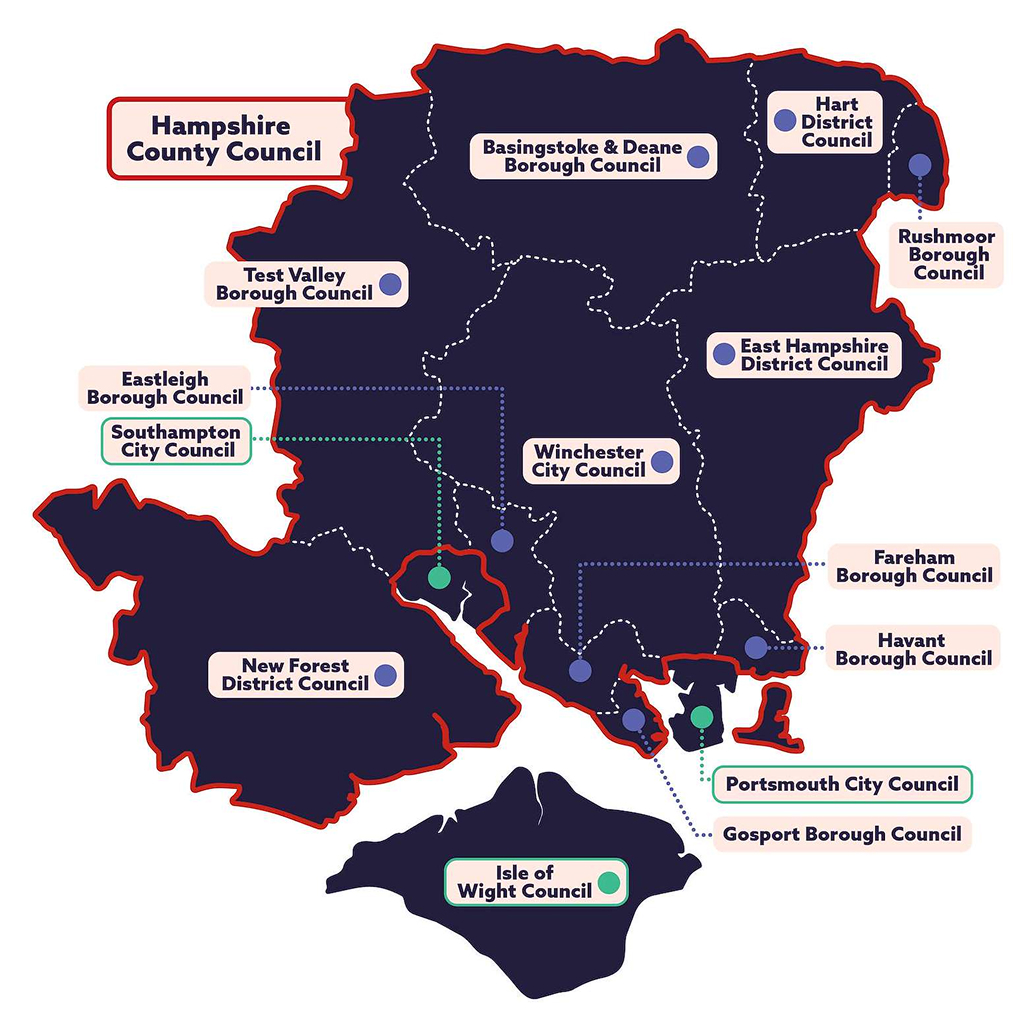
Today in mainland Hampshire, 14 councils currently provide core services in their respective areas:
- One county council (Hampshire County Council)
- 11 district and borough councils (Basingstoke and Deane Borough Council, East Hampshire District Council, Eastleigh Borough Council, Fareham Borough Council, Gosport Borough Council, Hart District Council, Havant Borough Council, New Forest District Council, Rushmoor Borough Council, Test Valley Borough Council, Winchester City Council)
- Two unitary councils (Portsmouth City Council and Southampton City Council)
The changes: four new unitary councils in mainland Hampshire
Under local government reorganisation, national government is replacing 14 of the current councils in Hampshire with four unitary councils.
From April 2028, these unitary councils will be responsible for the services previously provided by the 14 current councils within their areas. This means residents and businesses will access local council services through one council rather than multiple councils. This does not include parish and town councils which are not being reorganised.
There will also be some changes to council boundaries.
Until the future councils are established, current councils will continue providing services as they do now.
The Isle of Wight Council is already a unitary authority and the Government confirmed that no changes are proposed to the Isle of Wight’s council arrangements as part of local government reorganisation.
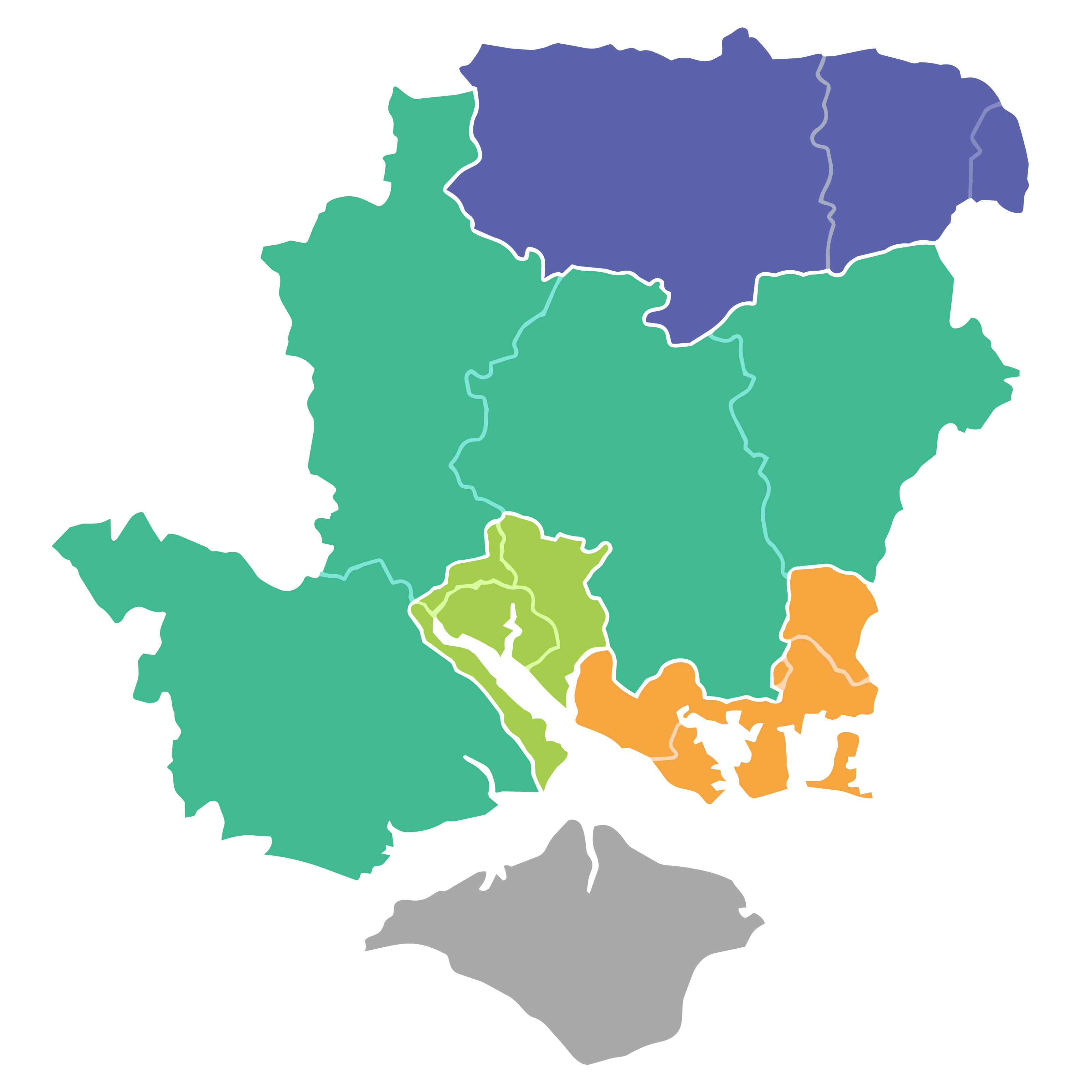
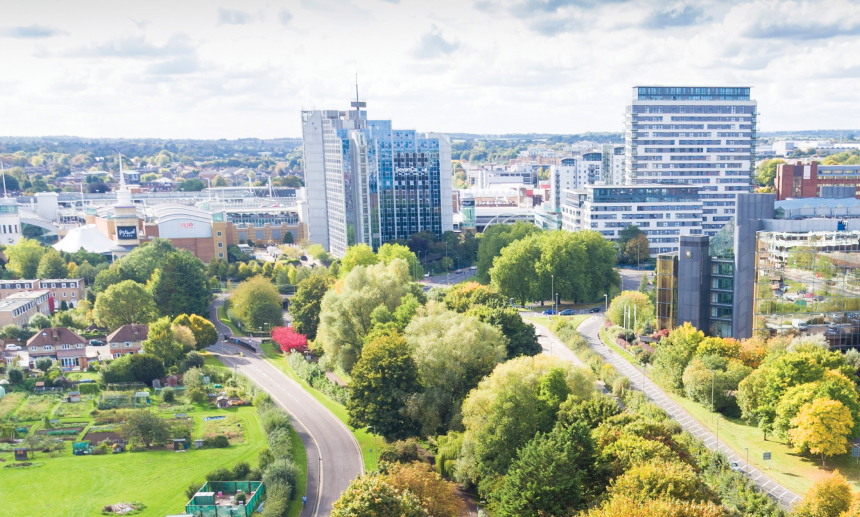
North Hampshire
Basingstoke, Hart and Rushmoor
Population size: 407,500
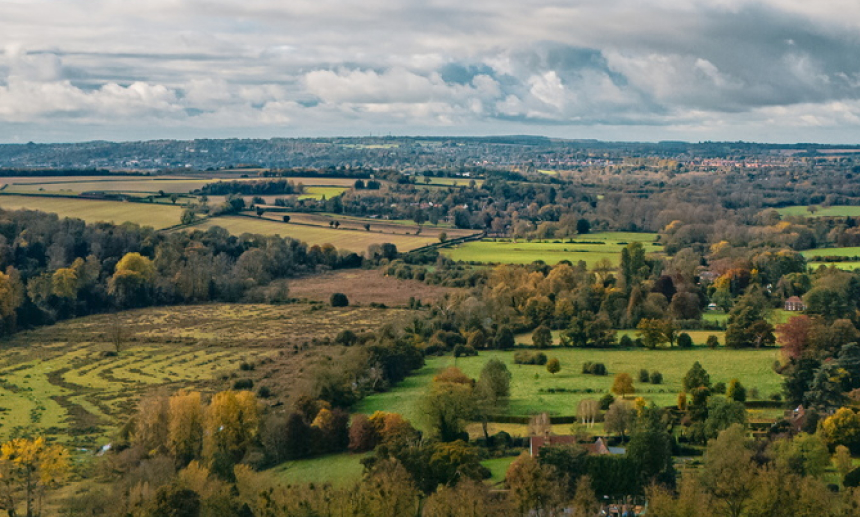
Mid Hampshire
East Hampshire, New Forest, Test Valley and Winchester
Population size: 484,600
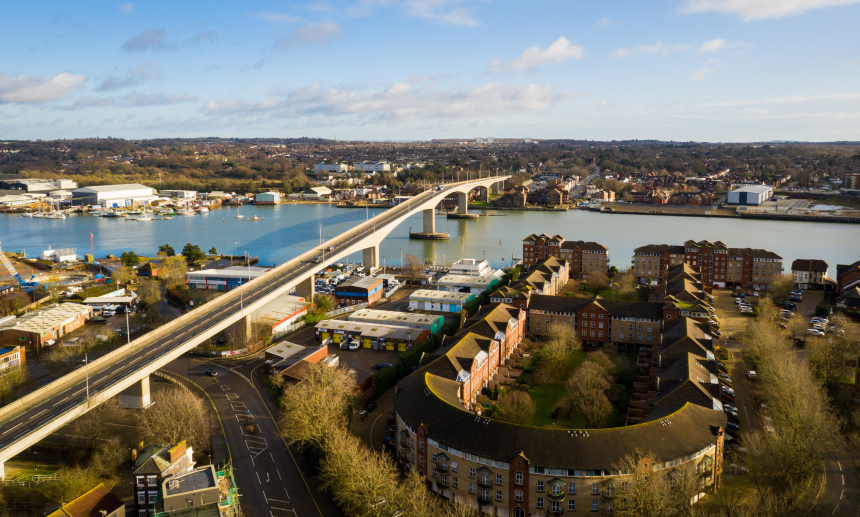
South West Hampshire
Eastleigh, Southampton, parishes of Totton and Eling, Marchwood, Hythe and Dibden, Fawley (currently under New Forest District Council), and parishes of Chilworth, Nursling, Rownhams and Valley Park (currently under Test Valley Borough Council)
Population size: 502,300
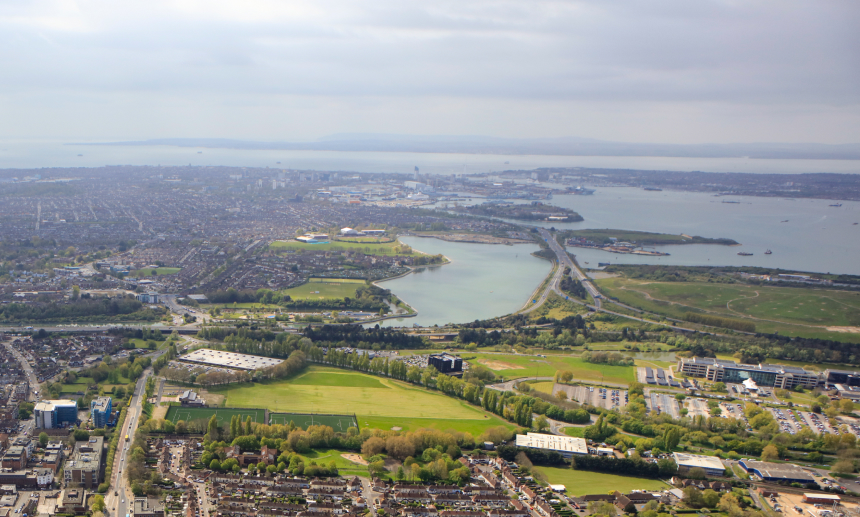
South East Hampshire
Fareham, Gosport, Havant, Portsmouth, parish of Newlands (currently under Winchester City Council) and parishes of Clanfield, Horndean and Rowlands Castle (currently under East Hampshire District Council)
Population size: 589,900
What will the new councils do?
The four future unitary councils will be responsible for all the council services that used to be delivered by the previous County Council, district and borough councils or unitary councils, in their areas, including:
- Education and schools.
- Adult social care.
- Children's social care.
- Highways and transport.
- Housing and homelessness support.
- Planning and development management.
- Waste collection, waste disposal and household waste recycling centres.
- Libraries and cultural services.
- Country park management and rights of way.
- Public health.
- Environmental services.
- Trading standards.
- Licensing and regulation.
Town and parish councils
Some communities across Hampshire are also served by town or parish councils, which are not being reorganised. Town and parish councils will continue to operate at the most local level of government and work closely with residents, community groups and local organisations to support the areas they serve.
Their responsibilities vary from place to place, but they typically focus on:
- Delivering very local services (such as allotments, village greens and commons, maintaining bus shelters, and parish-owned play areas).
- Supporting community wellbeing (such as through events or celebrations).
- Representing the interests of local residents to other public bodies.
Local government reorganisation and the Hampshire and the Solent Combined County Authority
In parallel, separate to local government reorganisation, national government is also working on a programme of devolution, for Hampshire and the Solent area, which involved the creation of the Hampshire and the Solent Combined County Authority.
This means that more powers and funding will transfer from national to local government via the new Combined County Authority that will work closely with the future unitary councils. Mayoral elections for this new authority are expected to take place in May 2028.
More information
To find out more about your future unitary council, visit the relevant pages below.
You can also check which unitary council will cover your area via our “Find your future council” tool.